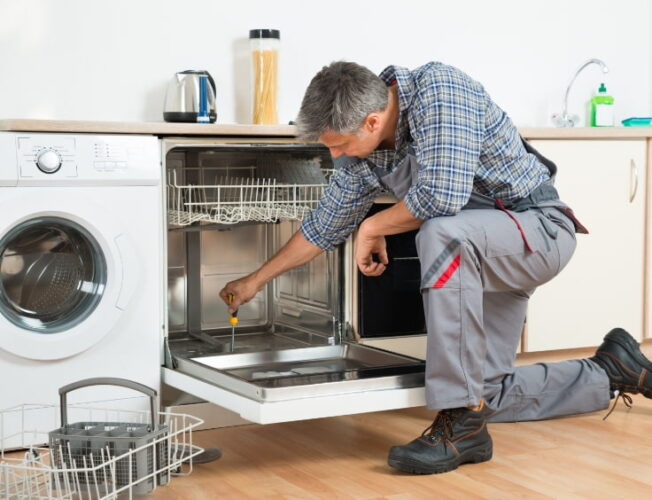
Repair equipments or replace it
To determine whether it’s time to repair or replace equipment, you must compare the equipment’s current value to the repair cost. In short, you must repair it when the repair cost is less than the equipment’s value. It must be replaced when the repair cost exceeds the equipment’s value.
Traditionally, knowing when to stop holding equipment and replace it has been difficult. Hitting the right time involves many different numbers, so always aim for a moving target. Some companies believe that it must be purchased if the maintenance value is 60% of the new maintenance value.
The act or process of repair or the relative status concerning the safety or necessity of repair. Or interpreted as a state of good or efficient working.
Replacing is to provide a new item if you are replacing a broken, damaged, or missing item.
Different Types of Carpentry Work in Dubai
7 Best Wall Painting Services in Dubai in 2023
What is the common masonry work in Dubai?
Top Companies Offer Handyman Service in Dubai
If the equipment is replaced quickly, value is well-spent. It’s like filling up the gas tank, cranking it up a bit, and dumping the rest on the side of the road.
Replacement too late can impact your organization, including increased downtime, risk of accidents, labour costs and production delays. Additionally, more on-demand work orders mean more pressure to reschedule and reallocate resources.
To make the right decision, you need three numbers: repair cost, replacement cost, and equipment value. But you need help finding them. It would help if you calculated it.
Without a plan, your only concern is getting back online as quickly as possible. The reactive decisions you are forced to make may work, but you may also end up making hasty decisions that solve the problem in the short term but are better solutions in the long run.
In addition to the obvious replacement cost of new equipment, there are many other factors to consider when deciding whether to repair or replace a piece of equipment:
With so many factors in mind, it is clear that this decision should only have been made with proper data analysis.
When considering repair or replacement costs, think in the long run. For new equipment, consider its cost, useful life, potential salvage value, operating costs, and any revenue growth it may generate.
For older equipment, consider its remaining useful life, operating costs, market value, and future return on investment. From these numbers, you can determine the average annual cost of each option, which makes comparisons easy.
Teams don’t age gracefully. The older your device is, the more repairs it needs. This usually means higher maintenance costs. However, as the maintenance progresses, the machine will provide you with less and less maintenance investment.
Consider replacing older, faulty equipment with newer, more technologically advanced models, which can improve efficiency and extend life. When your hardware is new, in many cases, it makes sense to fix it as soon as it breaks.
How much do repairs cost, and how often do you pay for repairs? Equipment repair incident documentation provides information on the number and frequency of failure events and repair costs. Do you continue to repair the machine several times a year or just once?
What is the impact of downtime while servicing originals? If the fix takes days and happens often, you’ll lose many hours of productivity. Consider this when deciding whether repair or replacement is best for your situation.
However, remember that repairs usually take less time than replacing hardware. Replacement includes waiting for replacement parts to arrive, installation, retraining, etc. Therefore, if your schedule is too tight and equipment is critical to your operation, you could lose a lot of production by spending time replacing equipment.
Remember that older equipment may only infect workers if it is working properly. Equipment wears out with age, even if you keep up with maintenance. Thoroughly inspect your equipment before deciding so you can determine whether your existing equipment will continue to provide a safe environment for your employees. If not, replacement is the obvious choice. If it still meets safety standards, it’s helpful to compare the cost of replacement and repair.
Always take a long view. How efficiently is your machine running now? Could a simple fix keep efficiency where you want it, or would new equipment that uses less fuel, offers newer features, and has fewer breakdowns be better for your efficiency and your bottom line?
There are two types, one-time costs and ongoing costs.
Non-recurring costs may include: Work, Materials, and Related Parts lost productivity, Clean and reducing the environment and regular fines.
The cost of a one-time repair can be high, and it might as well replace the original. But there are also situations where the ongoing costs of equipment over its remaining useful life are projected to be so high that replacing it is better than repairing it. Ongoing costs may include loss of quality and production capacity and maintenance costs during the equipment’s remaining useful life.
Many facilities management teams adopt an "if it ain't broke, don't fix it" style. However,…
There are many benefits to owning property in Dubai. However, it also means taking care…
Paint can also add personality to your home, as you can choose a colour that…
Grease is a natural side-effect of cooking and food preparation. Fats, oils and grease are…
The plumbing in your home is crucial to your daily tasks, especially in toilets, showers,…
We take for granted the luxury of clean water flowing into our buildings and sewage…
This website uses cookies.